Saffron Patterns: A Creative Resource for Design and Craft Projects
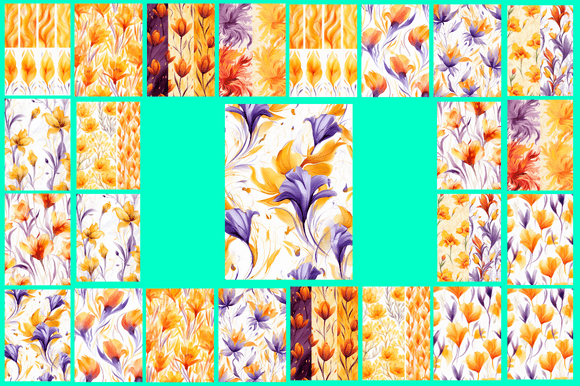
Saffron Patterns is a collection of high-resolution digital papers designed to inspire and support a wide range of creative projects. Whether you're working on gift wrapping, greeting cards, planners, or wall art, Saffron Patterns offers versatile, printable assets that can enhance your workflow and elevate your output. These patterns are not just decorative elements—they are functional tools that integrate seamlessly into both personal and professional design processes.
Understanding the Value of Saffron Patterns
At its core, Saffron Patterns is a digital resource that provides users with 12 high-quality paper designs in a single zip file. Each pattern is crafted to be scalable and adaptable, making them ideal for use across various mediums. The inclusion of 8.5×11 size options ensures compatibility with standard printing setups, while the high-resolution quality maintains clarity and detail even when printed at larger scales.
The versatility of Saffron Patterns lies in their ability to fit into different stages of a project. Before a project begins, these patterns can serve as a source of inspiration, helping to establish a visual direction. During the execution phase, they provide ready-to-use assets that save time and effort. After completion, they can be repurposed for branding, marketing materials, or personal collections.
Where Saffron Patterns Fits Into the Creative Workflow
Saffron Patterns is most effective when used within a broader creative or organizational framework. For instance, in a small business setting, these patterns can be integrated into the design process for product packaging, promotional materials, or event invitations. For educators or bloggers, they offer a way to create visually appealing content without the need for custom graphic design skills.
For hobbyists and crafters, Saffron Patterns can streamline the creation of handmade items. Whether you're designing a planner, creating stickers, or preparing stationery, having access to pre-made templates reduces the time spent on repetitive tasks. This allows more focus to be placed on the creative aspects of the project rather than the technical details.
Integration With Other Tools and Processes
Saffron Patterns works well with a variety of design software and platforms. Adobe Photoshop and Illustrator are commonly used to incorporate these patterns into custom designs, but they can also be applied directly in print-ready formats using tools like Canva or Microsoft Word. This flexibility makes them accessible to users with varying levels of design expertise.
In addition to digital tools, Saffron Patterns can be paired with physical materials. For example, when creating acrylic tumbler wraps, these patterns can be printed onto adhesive paper and applied directly to the surface. This approach is particularly useful for those looking to personalize products quickly and efficiently.
When integrating Saffron Patterns into an existing workflow, it's important to consider how they align with other resources. If you're working on a long-term project such as a scrapbook or a series of greeting cards, using consistent patterns helps maintain a cohesive aesthetic. This attention to detail can significantly impact the final outcome and user experience.
Practical Tips for Using Saffron Patterns
To get the most out of Saffron Patterns, start by assessing your specific needs. Are you looking for subtle textures or bold designs? Do you need patterns that work well with certain color schemes? Taking the time to explore the full range of available options ensures that you select the best fit for your project.
Another key consideration is preparation. Before printing, always check the resolution settings and ensure that your printer is calibrated correctly. This helps maintain the integrity of the patterns and avoids any unexpected variations in color or texture. Additionally, organizing your files properly—such as saving them in clearly labeled folders—can improve efficiency, especially when working on multiple projects simultaneously.
When using Saffron Patterns in a team environment, communication is essential. Sharing the same set of patterns across a group ensures consistency and reduces the risk of mismatched designs. This is particularly valuable in collaborative settings where multiple people are involved in the creative process.
Use Cases and Real-World Applications
Saffron Patterns has a wide range of applications that extend beyond traditional crafting. In a professional context, they can be used to create branded materials such as business cards, letterheads, or social media graphics. For entrepreneurs, these patterns can help establish a strong visual identity that resonates with the target audience.
For productivity-minded individuals, Saffron Patterns can enhance planning and organization. When designing a planner, for example, using these patterns as background elements can make the layout more engaging and visually appealing. This not only improves the aesthetics but also contributes to a more enjoyable user experience.
In educational settings, Saffron Patterns can be incorporated into lesson plans or classroom activities. Teachers can use them to create interactive worksheets, colorful flashcards, or themed decorations that make learning more engaging for students. The adaptability of these patterns makes them suitable for a variety of age groups and subjects.
Long-Term Use and Quality Control
One of the advantages of Saffron Patterns is their longevity. Unlike physical materials that may degrade over time, digital patterns remain consistent and can be reused indefinitely. This makes them a cost-effective solution for ongoing projects or seasonal campaigns.
However, maintaining quality control is still important. As technology evolves, monitor the compatibility of Saffron Patterns with new software updates and hardware specifications. Regularly backing up your files and keeping track of version changes ensures that you always have access to the latest and most reliable resources.
Additionally, staying informed about trends and user feedback can help you refine your approach to using Saffron Patterns. Engaging with online communities or forums dedicated to design and crafting can provide valuable insights and ideas for new applications.
Conclusion
Saffron Patterns is more than just a collection of digital papers—it's a flexible and powerful tool that enhances creativity, efficiency, and consistency across a variety of workflows. Whether you're a professional designer, a small business owner, or a hobbyist, integrating Saffron Patterns into your routine can lead to more polished results and greater satisfaction in your work. By understanding how these patterns fit into your unique process, you can unlock new possibilities and elevate your creative output.